

Hello! This is Suseong Hanaro ENT Clinic, where clear breathing and crisp sounds begin. 😊
Irregular sleep, recurring snoring, frequent awakenings, and daytime drowsiness or fatigue may not simply be due to lack of sleep—they could be signs of a sleep disorder.
In such cases, a polysomnography (sleep study) is necessary to accurately diagnose the cause and determine a treatment plan tailored to the individual.
What is a Polysomnography (Sleep Study)?
A polysomnography is a detailed test that simultaneously measures various physiological responses during sleep to analyze sleep patterns and quality.
It records brain waves, eye movements, muscle activity, heart activity, breathing patterns, oxygen saturation, snoring, leg movements, and more, providing a comprehensive assessment to determine the presence of sleep disorders.
Recently, more patients near the Beomeo-dong ENT area are visiting for sleep-related issues, increasing interest in this test.
In particular, when nasal congestion, rhinitis, or sleep apnea are present, conducting a polysomnography alongside ENT evaluation allows for a more accurate diagnosis.
When is a Polysomnography (Sleep Study) Needed?
If you experience any of the following symptoms during sleep, it may be a good idea to consider a polysomnography:
- Loud snoring
- Apnea or feeling like your breath stops during sleep
- Frequent awakenings or interrupted sleep
- Morning headaches
- Excessive daytime sleepiness or fatigue
- Accompanying tinnitus, ear fullness, or dizziness
- Ringing in the ears or cognitive difficulties
These symptoms may indicate an underlying sleep disorder rather than simple insomnia.
In fact, many patients visiting the Beomeo-dong ENT Clinic who experience these issues are undergoing polysomnography to accurately identify the cause and begin appropriate treatment.
How is a Polysomnography (Sleep Study) Conducted?
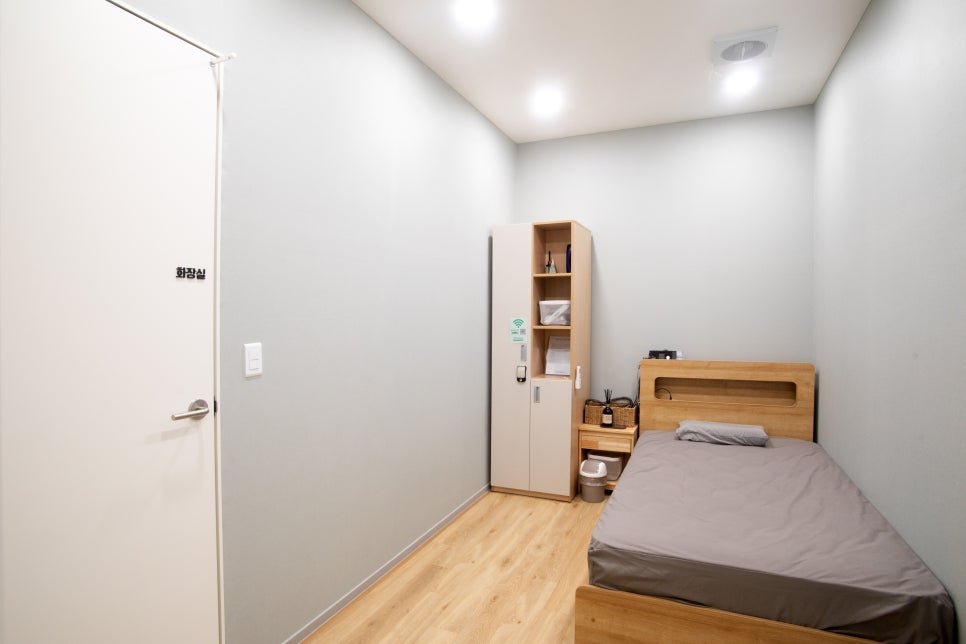
The test is performed overnight in a dedicated sleep room at the clinic. Sensors are attached before sleep, and you are allowed to fall asleep naturally while your physiological responses are automatically recorded.
The test usually lasts for more than six hours. The next day, the data is analyzed to assess overall sleep quality, the number of awakenings, occurrences of apnea, oxygen saturation, and other aspects of sleep.
Many office workers and students near the Beomeo-dong ENT Clinic prefer nighttime testing, so it is recommended to confirm availability when making a reservation.
Precautions Before and After the Test
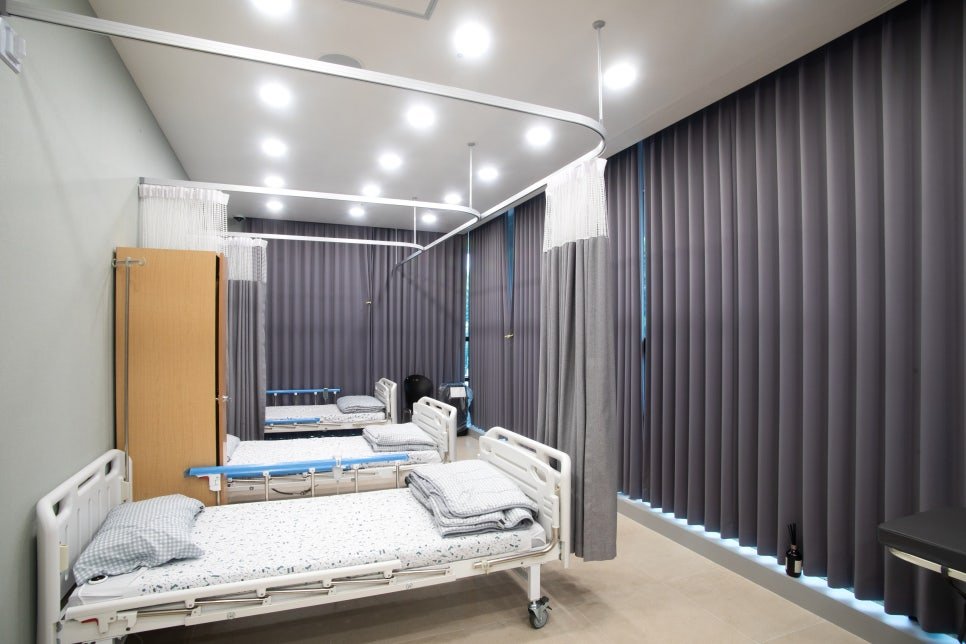
Before the test, avoid caffeine, alcohol, and naps. Wash your hair but do not use any hair products. If you are taking any medications, inform the medical staff in advance, and try to avoid behaviors that could affect your sleep.
After the test, based on the analyzed results, personalized treatment options may be recommended, such as oral appliances, CPAP therapy, positional therapy, treatment for rhinitis, or surgical interventions.
Want to Get a Sleep Study Near Beomeo-dong ENT Clinic?
A polysomnography is not a simple test—it is important to choose a clinic that can accurately interpret the results and provide follow-up treatment based on an understanding of the respiratory structures and their function.
Therefore, if sleep disorder symptoms are suspected, receiving both an ENT evaluation and a polysomnography at a clinic with extensive experience in Beomeo-dong ENT care can improve the accuracy of diagnosis and treatment.
What may seem like everyday fatigue could actually be caused by a sleep disorder. At Beomeo-dong ENT Clinic, you can learn accurate information about polysomnography and understand whether it is necessary for you.
This post was written directly by a physician in compliance with Article 56, Paragraph 1 of the Medical Service Act. All procedures carry the possibility of side effects such as bruising, swelling, inflammation, or burns. Please consult with medical staff before undergoing any treatment.