

This post was written directly by a physician in compliance with Article 56, Paragraph 1 of the Medical Service Act. All procedures carry the possibility of side effects such as bruising, swelling, inflammation, or burns. Please consult with medical staff before undergoing any treatment.
Hello, and welcome to Clear Breaths, the Beginning of Pure Sounds! This is Suseong Hana ENT Clinic.
During seasons with large temperature fluctuations, the risk of catching a cold increases, so it is important to take good care of your health.
In addition, fine dust, yellow dust, and pollen can trigger various ENT-related conditions, so extra caution is needed.
When these conditions occur, one of the most affected organs is the nose.
The nose may become filled with mucus, and nasal congestion and discharge can cause significant discomfort in daily life.
If treated promptly, recovery is easier, but sometimes these conditions can become chronic. For those with persistent symptoms, it is important to visit an ENT clinic to examine and manage the underlying issues.
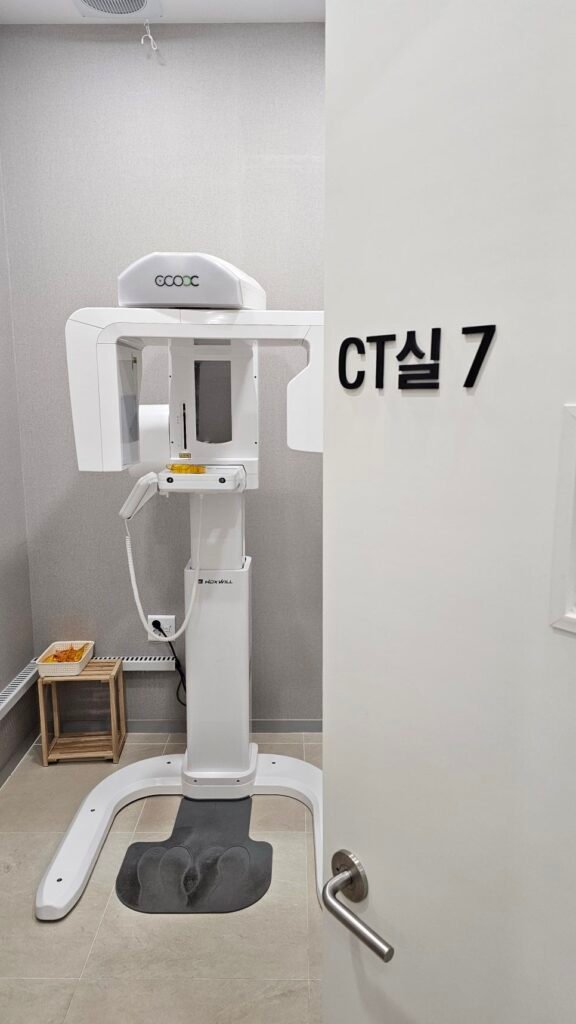
Sinusitis: Often Confused with Colds or Rhinitis
When you catch a cold or suffer from rhinitis, taking prescribed medication and getting sufficient rest usually leads to recovery within about a week to ten days.
However, if symptoms persist beyond this period, accompanied by yellow nasal discharge, postnasal drip, facial pressure, or pain, another condition should be considered: sinusitis.
Medically, sinusitis is called sinus infection (sinusitis). It occurs when inflammation develops in the sinuses, the air-filled spaces within the bones around the nose, causing pus-like secretions to accumulate.
Sinusitis often arises as a secondary bacterial infection when a cold or rhinitis does not fully resolve, blocking the small passages leading to the sinuses and causing secretions to build up.
These bacteria are transmitted through breathing and need to be quickly expelled from the body to prevent further problems.
However, if they are not expelled and remain in the nasal cavity, or if an infection occurs, this can lead to sinusitis.
Sinusitis can be classified into two types based on how long it lasts.
If symptoms appear within 4 weeks and develop as a complication of a cold, it is considered acute sinusitis.
If the symptoms persist for more than 3 months, and acute sinusitis is not properly treated, leading to repeated problems, it can progress to chronic sinusitis.

How is acute and chronic sinusitis treated?
The key to treating sinusitis is to properly manage acute sinusitis so that it does not progress to a chronic condition.
Treatment focuses on reducing inflammation within the sinuses and opening blocked passages to allow secretions to drain properly.
Typically, prescriptions include antibiotics, nasal decongestants, and steroid nasal sprays.
- Antibiotics are used when a bacterial infection is suspected, and the appropriate antibiotic is taken for about 10–14 days, depending on the type of bacteria.
- Nasal decongestants are prescribed for a short period to relieve nasal congestion.
For chronic sinusitis, treatment follows the same principles but is usually longer-term and more comprehensive. The goals are to restore weakened sinus function and prevent recurrence.
Home Care for Sinusitis
Along with medical treatment, performing supportive care at home can help relieve symptoms.
Nasal irrigation with saline helps wash out thick mucus and inflammatory substances from the nasal passages, relieving congestion and assisting sinus drainage. It is recommended to do this 2–3 times a day.
Other helpful measures include:
- Using a humidifier to maintain proper indoor humidity
- Drinking plenty of fluids to keep nasal secretions thin, making them easier to drain
By carefully combining medication and supportive home care, you can usually see improvement within 4 weeks, as long as the symptoms are not severe.

Is it possible to completely cure sinusitis?
Acute sinusitis can usually be treated successfully, but if it progresses to a chronic condition, a complete cure may be difficult.
In such cases, it is important to consistently manage symptoms, restore sinus function, and prevent recurrence through ongoing treatment.
If repeated treatments no longer work, or if nasal polyps or structural abnormalities are discovered, surgery may be considered.
It is important to actively manage the condition to recover without surgery whenever possible, and to visit an ENT specialist promptly when symptoms appear.
If you are experiencing recurrent nasal discharge and congestion, you should consider the possibility of chronic sinusitis and get examined as soon as possible.