

This post was written directly by a physician in compliance with Article 56, Paragraph 1 of the Medical Service Act. All procedures carry the possibility of side effects such as bruising, swelling, inflammation, or burns. Please consult with medical staff before undergoing any treatment.
Hello, and welcome to Clear Breaths, the Beginning of Pure Sounds! This is Suseong Hana ENT Clinic.
Many people tend to take snoring lightly.
Often, it is thought to occur temporarily due to fatigue, or people assume that a minor inconvenience is the only issue.
However, persistent snoring is not just a noise problem—it can be a warning sign from your body.
In particular, it may indicate an issue that disrupts deep sleep and potentially affects overall health.
If you have recently started snoring or if snoring is causing discomfort, do not ignore it. It is important to visit an ENT clinic promptly for proper diagnosis.

Why Does Snoring Occur?
Snoring is the sound produced when airflow passes through the upper airway, specifically the narrow spaces around the nose and throat.
When airflow is obstructed, the surrounding tissues vibrate, creating the snoring sound.
Snoring does not occur in every situation, and it can be caused by several factors:
The most common causes include abnormal nasal structure, enlarged tonsils, and relaxation of the uvula or soft palate.
Additionally, weight gain, which increases fat around the neck, can contribute to snoring.
Sleeping with the mouth open or having a receded jaw position can also trigger snoring.
Warning Signs of Snoring That Should Not Be Ignored
Not all snoring is problematic. Snoring can occur temporarily due to fatigue or other short-term factors.
However, there are specific snoring symptoms that require evaluation by an ENT specialist.
One of the most important is sleep apnea. If, while snoring, you experience sudden pauses in breathing followed by loud gasping or choking sounds, this may indicate temporary apnea, which can be life-threatening and requires prompt attention.
Other warning signs include waking up feeling unrefreshed, excessive daytime sleepiness, and difficulty concentrating, which indicate severe fatigue and disrupted sleep.
If these symptoms are accompanied by high blood pressure, headaches, or palpitations, a professional evaluation is strongly recommended to assess potential cardiovascular risks.

The Relationship Between Sleep Apnea and Snoring
As mentioned earlier, if snoring occurs night after night and is accompanied by symptoms such as pauses in breathing during sleep, sleep apnea may be suspected.
Snoring is not only a common symptom of sleep apnea but also serves as an indicator of a potentially serious condition.
Sleep apnea occurs when the airway is temporarily blocked during sleep, interrupting oxygen supply.
It typically manifests as a pause in snoring followed by a sudden gasping or “hook” sound as breathing resumes—this is a characteristic pattern of sleep apnea.
As a result, sleep is frequently interrupted, and the body cannot enter deep, restorative sleep.
In such cases, it is important not only to address snoring but also to obtain an accurate diagnosis and establish an appropriate treatment plan.
ENT specialists can perform sleep studies to clearly identify the underlying cause and guide proper treatment.
Accurately Identifying the Cause with Polysomnography
Snoring and sleep apnea cannot be reliably assessed by self-awareness alone.
To accurately evaluate the condition, a polysomnography (sleep study) is useful. This test objectively measures sleep patterns and analyzes breathing, heart rate, oxygen saturation, and brain activity.
Through this examination, doctors can determine the frequency of airway obstruction during sleep, duration of apnea, and degree of blood oxygen decline, allowing for an accurate treatment plan.
Based on the results, personalized treatments may include lifestyle modifications, CPAP therapy, or surgical interventions.
In this context, snoring treatment in Daegu focuses not just on the snoring itself, but also on preventing complications such as cerebrovascular and heart disease that can result from untreated sleep apnea.
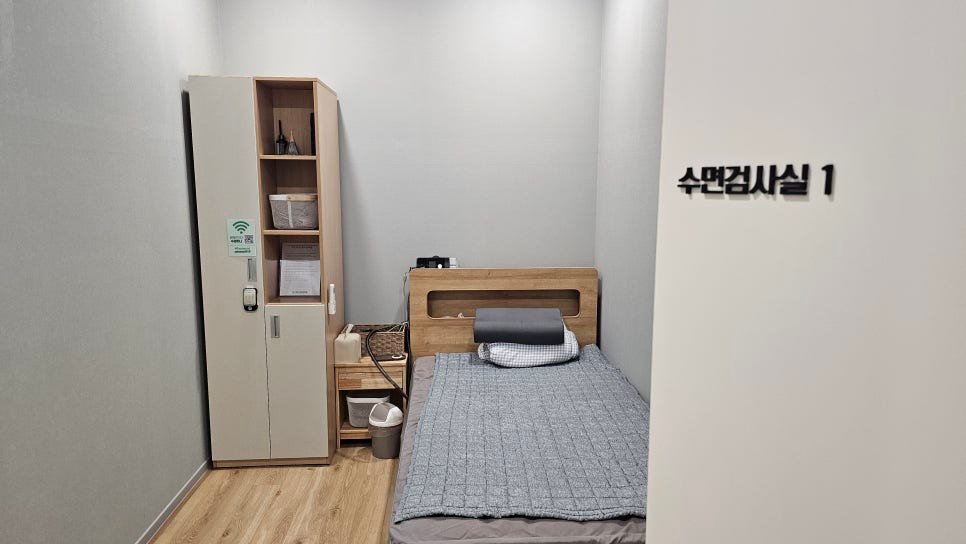
Improving Sleep Quality Protects Your Health
Deep and restful sleep is essential for body recovery and maintaining a strong immune system.
If you experience severe fatigue every morning due to recurrent snoring or sleep apnea, this is not just a minor inconvenience—it can affect your overall health.
In such cases, it is strongly recommended to seek timely snoring treatment in Daegu to improve sleep quality and protect your well-being.