

Hello! Welcome to Suseong Hanaro ENT Clinic – where clear breathing and a bright voice begin. 😃
What Is Septoplasty for Deviated Nasal Septum in Daegu?
Septoplasty for a deviated nasal septum in Daegu is a surgical procedure that corrects structural problems caused by a bent nasal septum, the partition that divides the inside of the nose into left and right sides.
When the septum is severely deviated to one side, airflow can be obstructed, leading to chronic nasal congestion, rhinitis, sinusitis, headaches, and sleep disturbances.
A deviated septum can be congenital or result from trauma, and over time, repeated inflammation of the nasal mucosa can further reduce respiratory function.
In such cases, medication alone cannot provide a fundamental improvement. Septoplasty is required to directly correct the bent cartilage and bone. This surgery is performed inside the nose, leaving no external scars and allowing for a quick recovery.
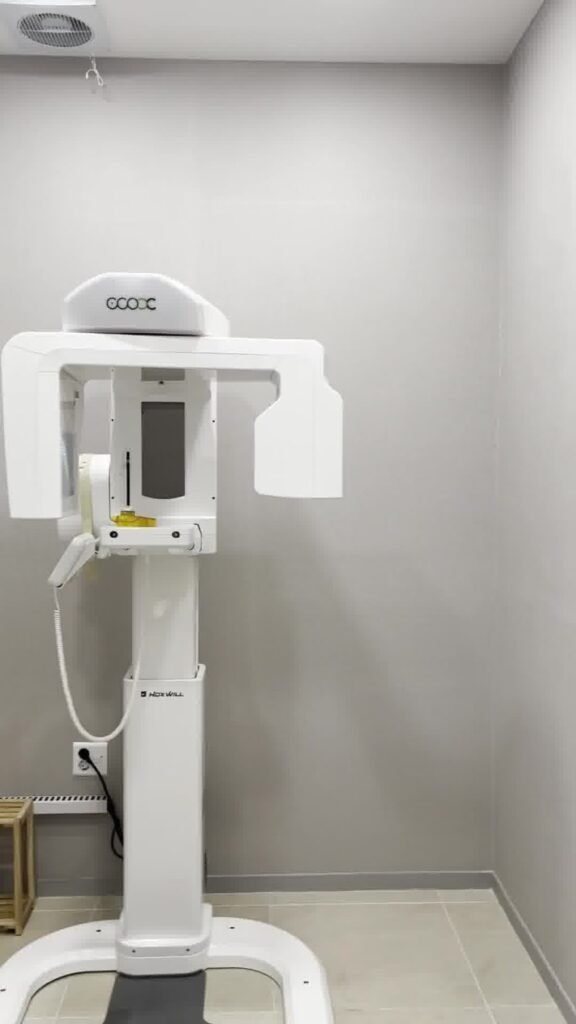
Purpose and Benefits of Septoplasty
The goal of septoplasty is to straighten the deviated nasal septum and normalize airflow through both nasal cavities. This procedure can provide the following benefits:
Improvement of nasal congestion and rhinitis symptoms
Balancing airflow in both nasal passages reduces mucosal inflammation and makes breathing easier.
Improved sleep quality
With smoother airflow, snoring and sleep apnea can be alleviated.
Relief of headaches and facial pressure
Reduced sinus pressure helps improve headaches and concentration difficulties.
Procedure of Septoplasty for Deviated Nasal Septum in Daegu
Anesthesia Stage
Depending on the patient’s condition, local or general anesthesia is administered. Pain during the surgery is minimal, and the procedure is carried out safely.
Incision and Correction Stage
The nasal mucosa is incised to expose the deviated cartilage and bone of the septum. The deformed parts are either removed or repositioned to restore central alignment. Using an endoscope allows for precise correction while minimizing bleeding and tissue damage.
Suturing and Support Placement Stage
The incision is carefully sutured, and if necessary, a silicone splint is inserted to ensure the corrected septum remains stable.
Recovery Stage
Most swelling and nasal congestion improve within 1–2 weeks after surgery. Nasal irrigation and medication can help prevent inflammation.
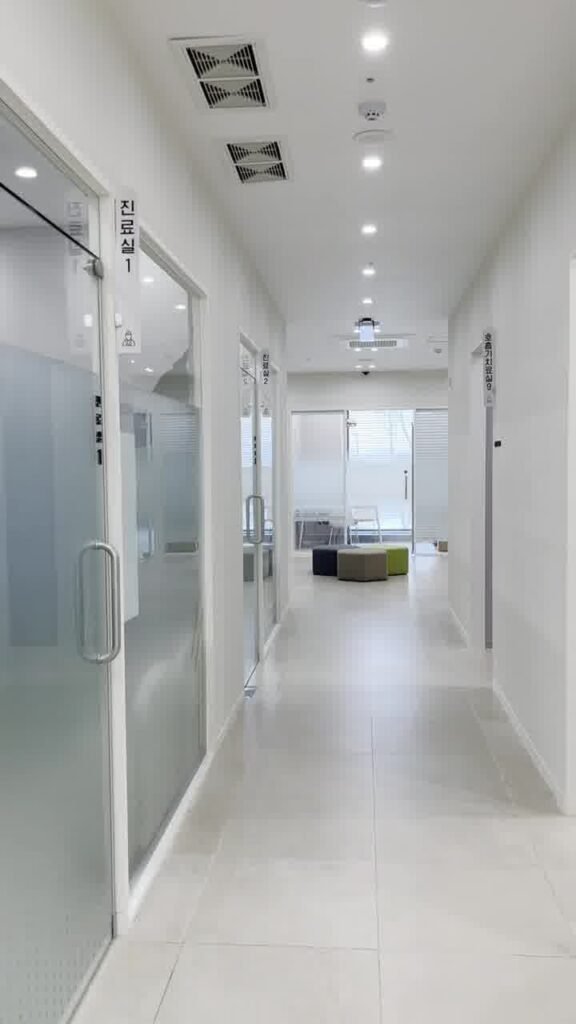
Essential Tests for Accurate Diagnosis
The first step in correcting a deviated nasal septum is an accurate diagnosis. At Suseong Hanaro ENT Clinic, the following advanced tests are conducted to prepare for septoplasty in Daegu:
Nasal Endoscopy
Directly examines the deeper areas of the nose to identify inflammation, polyps, or structural abnormalities.
Rhinomanometry
Measures airflow and pressure through the nose to objectively assess the severity of the septal deviation.
Allergy Test
Uses skin prick tests or blood tests to identify allergens that may be causing rhinitis and to guide the treatment plan.
By combining these tests, it is possible to accurately distinguish whether breathing difficulties are caused by a deviated septum alone or if they are accompanied by allergies or rhinitis, improving the predictability of treatment outcomes.
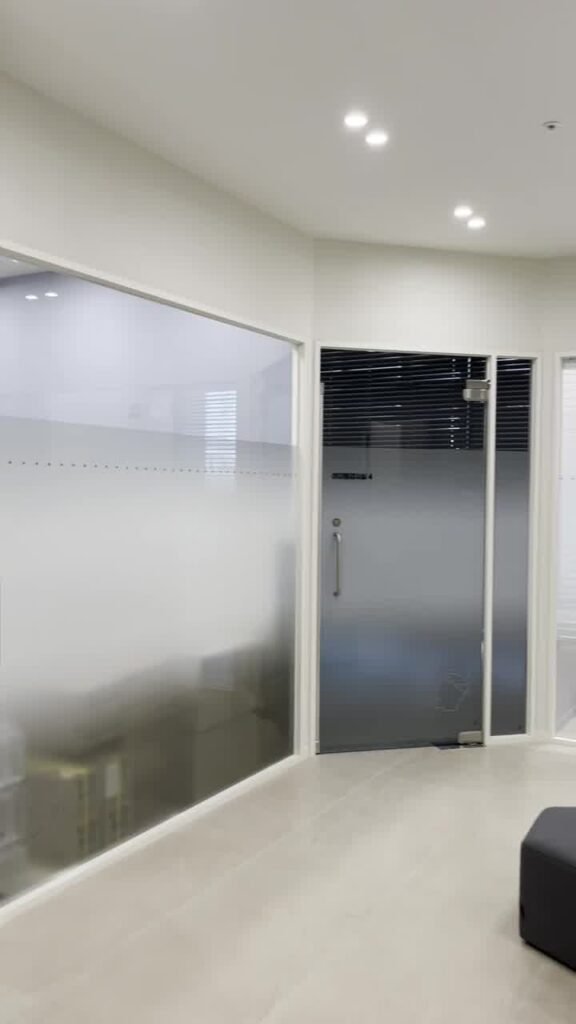
The Need for Submucosal Resection of the Inferior Turbinate
If inferior turbinate hypertrophy is present alongside a deviated nasal septum, submucosal resection of the inferior turbinate is performed together with septoplasty in Daegu. This method precisely removes only the enlarged tissue while preserving the mucosal function of the turbinate, allowing for smoother airflow.
This procedure is highly effective in relieving nasal congestion, preventing the recurrence of rhinitis, and improving sleep quality.
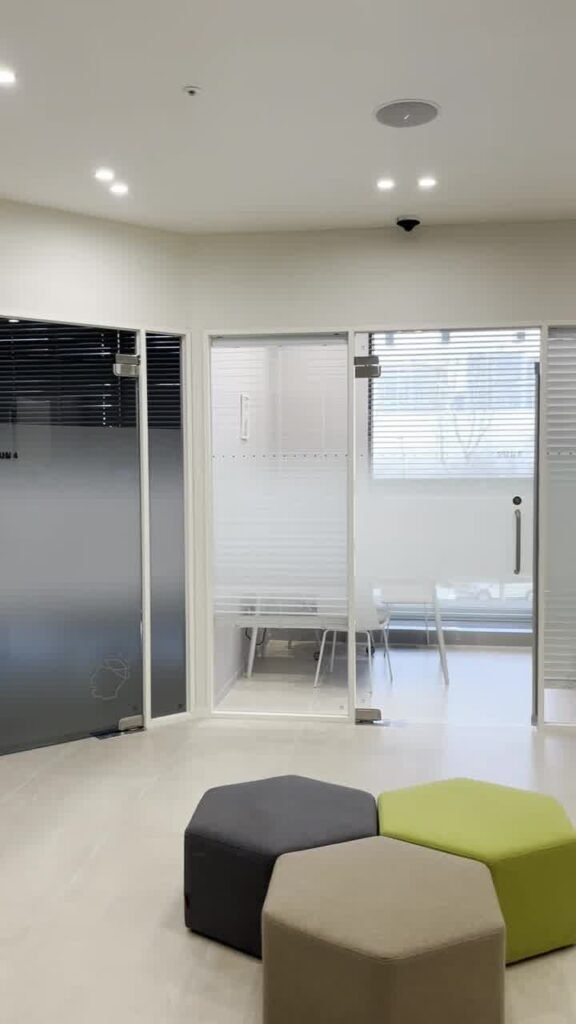
Postoperative Care and Recovery Guidelines
After septoplasty, temporary nasal congestion, swelling, or minor bleeding may occur, but most patients recover quickly.
Postoperative care includes:
- Avoid forceful nose blowing or any trauma to the nose
- Refrain from smoking and alcohol for 2 weeks after surgery
- Take prescribed medications regularly
- Rinse the nose 2–3 times a day with saline solution
- Attend follow-up visits to monitor recovery progress
Following these guidelines carefully can significantly speed up the improvement of nasal congestion and the restoration of normal breathing.
Summary of the Benefits of Septoplasty for Deviated Nasal Septum in Daegu
- Scar-free surgery through internal nasal incisions
- Simultaneous improvement of nasal congestion, rhinitis, and sinusitis
- Enhanced sleep quality and concentration
- Low recurrence rate with fundamental correction
If you are experiencing chronic nasal congestion, rhinitis, or sinusitis due to a deviated septum, now is the time to consider septoplasty in Daegu. A precise diagnosis and delicate surgery by a specialist marks the beginning of comfortable, unobstructed breathing.
This post was written directly by a physician in compliance with Article 56, Paragraph 1 of the Medical Service Act. All procedures carry the possibility of side effects such as bruising, swelling, inflammation, or burns. Please consult with medical staff before undergoing any treatment.