

This post has been written directly by a physician in compliance with Article 56, Paragraph 1 of the Medical Service Act. All procedures carry potential risks such as bruising, swelling, inflammation, or burns, so please consult with your medical professional before undergoing any treatment.
Hello! Welcome to Suseong Hana ENT Clinic, the start of clear breathing and crisp sound.
Nasal surgery is a complex procedure that goes beyond simple cosmetic improvement, addressing functional issues such as breathing, sense of smell, and foreign body sensation.
However, even after surgery, some patients may experience persistent nasal congestion, worsened nasal voice or rhinitis symptoms, or dissatisfaction with the appearance, which can lead to ongoing discomfort in daily life.
In cases where satisfaction with the primary surgery is low or additional medical intervention is required, revision nasal surgery in Daegu should be considered.
Revision surgery is not simply “redoing” the procedure—it involves restoring the limitations of the previous surgery and carefully addressing both function and structure.
If you are currently considering revision nasal surgery in Daegu, please review the following information carefully and consult an ENT specialist before making a decision.
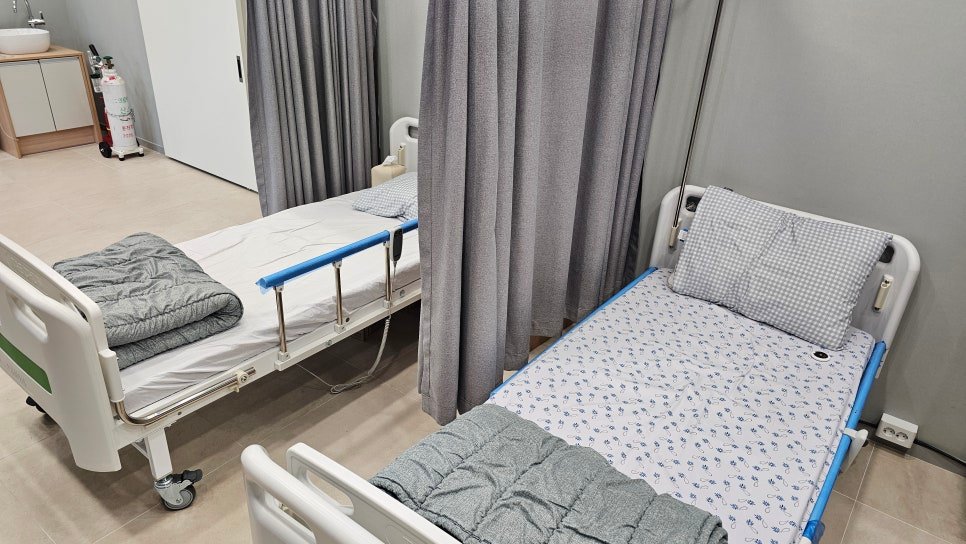
When Should You Consider Revision Nasal Surgery in Daegu?
Not all nasal surgeries require revision. However, there are certain common issues and situations that may indicate the need for ENT-based revision nasal surgery.
The most typical scenario involves functional discomfort.
Some patients report that nasal obstruction was not resolved after the primary surgery, or has even worsened.
Revision surgery may be necessary if conditions such as deviated septum, nasal valve collapse, or chronic hypertrophic rhinitis were not properly corrected, or if they were newly caused by the previous surgery.
What if nasal obstruction is accompanied by persistent postnasal drip? In such cases, the mucociliary function inside the nose may have been affected after the first surgery, and a thorough re-evaluation is recommended.
In addition to functional issues, revision nasal surgery in Daegu should also be considered if there is cosmetic dissatisfaction or complications after the primary surgery.
A common aesthetic concern is contracted nose.
This occurs when the nasal tip turns upward or the nose appears shorter, often as a result of inflammatory reactions.
Revision surgery may also be necessary if implants have shifted or if preexisting asymmetry was not properly corrected.
Furthermore, if implant-related problems occur, or if inflammation at the surgical site causes persistent swelling, pain, or redness, or if excessive scar tissue forms leading to deformation of the nose or discomfort, revision surgery should be seriously considered.
Revision Nasal Surgery in Daegu: Where Should You Go?
In cases where revision surgery is being considered, it is important to have the procedure performed by an ENT specialist with a deep understanding of nasal anatomy and function.
As mentioned earlier, revision surgery is not simply “redoing” the procedure; it requires a surgeon with in-depth knowledge of the nose’s anatomical structure and functional aspects.
This is especially important if the revision is due to structural issues inside the nose, such as nasal obstruction, rhinitis, sinusitis, deviated septum, or nasal valve collapse. In these cases, surgery must address both functional relief and aesthetic improvement, making an ENT-based approach essential.
ENT specialists use precise diagnostics, such as 3D CT scans, to accurately assess the internal nasal structures that have changed after the first surgery. They analyze the root causes of problems and develop a detailed revision plan. If you want to avoid repeating the same issues, it is crucial to consult an ENT clinic.
Use of Autologous Cartilage is Possible
In revision surgery, the use of autologous cartilage is particularly recommended to reduce the risk of foreign body reactions or other complications.
ENT specialists have the expertise to harvest and utilize autologous tissue, providing valuable support in this process.
If structural issues are being corrected, the harvested cartilage can also be used immediately to improve the aesthetic aspects of the nose.
Considering these advantages, revision nasal surgery performed by an ENT specialist can be especially beneficial.
When is the Best Time for Revision Surgery?
Many patients considering revision surgery often wonder about the appropriate timing.
In general, it is recommended to wait at least 6 months to 1 year after the primary nasal surgery, allowing the tissues to fully stabilize and soften before considering revision.
However, if there is severe inflammation or significant functional problems, revision surgery may be performed earlier in consultation with an ENT specialist.
If you continue to experience discomfort after your initial nasal surgery, it is important to consult an ENT specialist promptly to receive an accurate diagnosis and develop a proper treatment plan.